Showing posts with label Social. Show all posts

Friday, October 23, 2015

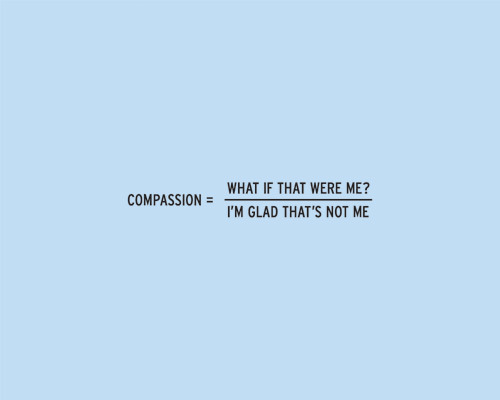
To those who doubt chronic illness...please have more compassion

Tumblr via Google Images

When I am having a particularly difficult time with chronic illness, all of my concerns and worries in being chronically ill with an incurable condition seem to escalate. My mind begins to doubt any positivity I may have been trying to build upon daily and I am left with the turmoil of adjustment. Sometimes, I feel so low with the continuous, daily fight against pain that I feel like my heart is breaking over the outcome. I worry, I stress and I feel sad that life is particularly bleak at present. I feel low over never receiving any respite and quite frankly, I feel sick of being sick. I believe that this is a common setback in many who live with chronic illness. Knowing full well that life currently with these conditions, isn't really any kind of normal no matter the progressive, positive strides you try to implement.

I don't know about those of you reading this, however having received many different chronic illness diagnosis has made me incredibly compassionate for those who I am aware may be facing a tough lifestyle. Especially when those people are incredibly young. Maybe it is only because I have been in this position for a long period of time, but even then, I still think it is a morally correct attitude. Nobody deserves to be ill, yet it is a terrible shame to have a chronic, disabling illness when typically, your adult life should just be starting. You should not have to face such complex problems so young but you try your best to accept your fate as well as you can. Nobody should have to live in so much pain, that the majority of their week is spent in bed. It makes me more upset to think of others in that situation than it does for myself to often be in it.

Something my Mum has always taught me is that you will never be able to change another person's opinion, yet isn't that one of the concepts of learning in life?  I see this partly as frustration and partly as a challenge I want to tackle. Being chronically ill at a young age, opinions have become that of normal over the years. Some I listen and try to take on others, I just struggle to be on the receiving end of. I want to know why someone is so set in their ways when it comes to views on a specific incurable disability or illness when actually, they have never lived a day of it. My illness might be relatively unknown, but it is still having a drastic affect on my ability to live my life. I ponder over those in less fortunate circumstances with no support at all. It's a case of often wishing you didn't actually have an invisible illness and finding a forceful necessity to prove yourself. How can some people be so heartless, cold and unsupportive? I am lucky that for the most part, I have constant support from my parents. Yet when I cross paths with those who disregard my lifestyle or consistent pain, I can not comprehend how they could be so dismissive. Is it just because I don't have a high profile disease or short life expectancy? Does that make my chronic illness and pain any less?

During my time with my deteriorating illness, I have unfortunately been thrown opinions from those who think they know all the correct answers in life. The 'tough love' approach. I've been told how I should deal with my illnesses, how others would deal with it completely differently, been challenged on my pain, symptoms and limits, told to cheer up and that I am actually in a very fortunate position in terms of health. For the most part, when it comes to these kinds of people, we would have better luck drawing blood from a stone when it comes to them grasping any sort of understanding on our daily lives with incurable, multi systemic illnesses. How we are pretty helpless at the hands of something that has a grip on our bodies, trying our hardest to find the positive every step of the way, yet they probably would not believe that is true. It's easy to say, try and focus less on those kind of opinions and people, which often is the better and less emotionally painful solution. However, sometimes it is not so easy to escape.

Often, these people and opinions turn out to be closer to home for some in similar circumstances. Some people in this world will always have purely selfish mindsets and points of views. Yet how would they realistically fathom a lifestyle as such? Would they crumble in the circumstances of disability and ill health at a young age? Would they wish they had more support and helpful, yet positive comments to be on the receiving end of? The projected, outspoken high and mighty attitude is purely prejudice to those living with incurable, chronic illnesses and not in any way supportive or positive. It just makes us feel awful over limits we did not ask for, nor have control over.

My advice to those who have entitlement opinions on young people with incurable, disabling chronic illness. Put yourself in someone else's shoes and if your opinion is harsh and critical, evaluate if it is necessary to project. Just because you cant see the pain overtaking the body, does not mean is does not exist. Those in pain are not moping, they are suffering. They are not choosing to be unable to leave the house, they can't physically cope with or get their pain under control in order to leave the house as much as they wish too. They are not lazy by having to stay in bed, they are chronically ill with more pain in their little finger than you've possibly had all week. They are not miserable, they are probably feeling isolated, alone and depressed at the current state they call a life. Unfortunately, chronic illnesses are no where near to being a cold or the flu where life seemingly carries on. Some illnesses have symptoms that many people in this world, will not receive or deal with in a lifetime. Chronic, long term illness can sadly lead to a disability and housebound existence at many intervals for long periods of time. Chronic illnesses can require aids, countless medications, carers. It can hurt deeply to have those you regard as close to you doubt your pain, lifestyle or abilities. To feel judged and like you need to prove yourself and your chronic illnesses. To feel like you need to possibly break in front of them for them to realise how tough it is.

Be conscious around those who are chronically ill, they are probably not in a good place whilst staring in the face of abnormal adversity. With forms of health changing unexpectedly on an everyday or hourly pattern. Find it within yourself to support them on their bad days more than their good. I can tell you for a fact, that receiving support on the bad days, which are 90% more frequent in a month is of more worth to us than on the good days. Don't kick them when they are already down and struggling with adjustment to a new reality, one incredibly parallel to that of a healthy young adult. Any regular abilities of a young adult have probably gone out of the window and they are trying their hardest to adapt and accept whilst watching everyone else of similar age, live. Probably one of the hardest parts of having an illness.

What I was trying to get across that actually, when you smile or laugh, your pain is very much present. When you stand before someone, your pain is very much present. Pain is never not present and on a scale, it is probably never lower than a 6 on a 'good day'. It's not as simple as being told to get out more for your well being and to make the most of life by doing more. Being able to go out is not a task of ease, it is not something we can do second nature otherwise, well we would be working, attending university and socialising like the average young adult. Usually, our pain is so bad that all we can actually do is lie down and sleep. It's not that we do not want to, its that we physically can not shake the pain off the majority of the time. When we do, brilliant, however we are not pain free and that is important to realise. We do not dip in and out of pain, our unpredictable, quite frankly incomprehensible symptoms do not leave our side for any upcoming event. Life would still be working like clockwork if that was the case and we would not have the title of 'chronic'.Everyday is a challenge and we deal with it as it happens, as best we can. We do not have the beauty and joy in life to be completely spontaneous, to set time limits and to do as we please because pain, head to toe is a part of our package.

It can be difficult, yet try to remember that it is very easy for outsiders to make assumptions on your current lifestyle. However, there are always people who will understand. If you are new to this chronically ill lifestyle or have no support from others, let me assure you, you are not alone in your fight. There are many other young people who are just like you who have been through it and will be willing to support you. Weirdly, we were possibly once all in relatively good health, taking it for granted, not knowing what exactly was around the corner. It is a reminder that the less supportive people still have a lot to get through in life and may understand one day what it is like to need and provide compassion to those in need.


Sunday, May 3, 2015

Capturing memories...reminder of achievement


Image source: Tumblr via Google images  

Since my early teens I have had a huge fear. I often hate having my photo taken, it sounds quite silly because I know nobody else will physically see anything other than just another blonde girl in a photograph. However, to me when I see photos of myself from the age of 13 to present day, I just see a girl with a consuming illness. I see all that the blonde girl had to put on hold, all of her health issues, the countless times spent isolated and all that she has been through in a short time.

 It's the same for anyone, we all have a story to tell that we would never be able to get across in a still image, but when it's yourself it's easier to spot and critique the negatives of what is getting you down in life. I often feel like photographs are a blatant, timeless reminder of the way my life has turned out and how during this time, how I lost that sense of normality which consisted of being a young carefree teenager before I even had the chance to be one. I lost the ability of transitioning into the next chapter of life because of my health issues. Instead, I became an unhappy shadow of my former self living a life in chronic pain, severe depression and anxiety, social isolation, limited friends and activities, plummeted self esteem and everything I didn't want to be as a young girl, so I simply started to avoid them for a very long time. I was living a life that I was ashamed to be apart of and wanted no reminder of my existence.

However, last year when I was asked by a magazine to share an article about my blog they also wanted me to send photographs of myself on holiday 'having fun', I instantly panicked. I had no photos because I had refused to be involved in them. The reason behind this was because I felt so depressed, consumed and sick of living with my pain. I didn't want to capture the moment because I didn't want to be reminded of how ill I was constantly feeling in myself, even though still to this day pain and illness make up my daily life just like at the time of avoiding photos for many years. It didn't sink in to me that I was allowing my depression from illness to stop me capturing memories that I rarely participated in.

Everything seemed to relate back to illness and I couldn't stand it. Within illness comes side effects, some physical, some not. I didn't want photograph evidence that showed off my my fragile Ehlers Danlos skin, or the blood pooling in my legs from Postural Orthostatic Tachycardia Syndrome. I didn't want to give myself a reason to focus on things like the swelling under my top of my internal organs, my swollen eyes or swollen legs. I didn't want to see 17 year old Nancy sitting on holiday in her wheelchair with splints on, I know looking back, a lot of this was to do with confidence issues, self esteem, depression and acceptance of my chronic illness.

My mum used to say to me in years to come, it would seem like I never existed for my teenage years because I just didn't want the reminder of the sadness that made up this important time in someone's life. Sometimes it's hard to accept the fact I've missed out on many years of my life. I felt like if things got better, I could just forget that period of tribulation happened however then I found out my illness was incurable. I still couldn't quite accept this fact and held onto hope that it was a mistake. I knew full well how my body felt, that I was disabled, however I just couldn't accept the fact that incurable was a part of the equation.

Since that day in 2014, I now make a conscious effort to take a photograph if I am making a memory, despite the pain, my low mood or how I may feel that day. Despite fighting the urge, I do this to remind myself that my existence is important for my sanity, my family and because I am here for a reason. I'm slowly becoming more accepting of the fact that my pain will never be cured and that I just need to live life when I can, as I can and really search for aspects of life that will bring me happiness. Although I still see a girl who has an illness, I now try to force myself to take part in the photograph even if I don't want too. I also don't want to be left with zero photo's to look back on in decades to come, because realistically I will probably always be the girl who has a chronic illness. 

Being virtually housebound, going out is often a rare occasion, although doing so also gives me a good reminder that even on days where pain is still highly consistent, you can sometimes try your best to not let illness steal another day from you. I also started a memory scrapbook/box for the year 2015, with a quote to remind me of what I have participated in to read at the end of the year to remind myself of any achievements, big or small. I even write the things I would like to achieve in months or years to come, fold them into tiny bits of paper and will open them a few years down the line.

I recently had a lot of photos taken on holiday, sometimes I slipped back into my old habits and avoided participating because of how I felt in my self and other times I took on the challenge with my new perspective. Initially I looked for the physical attributes that were incredibly obvious to myself. The unwanted swelling of my body, physical splints or bandages or whether I looked as horrific as I felt that day. However, I was quickly reminded all that it took for me to get out, participate in the day and push through despite all of my pain or my thoughts on wanting to give up and stay in bed. It's incredibly difficult to give yourself credit, however so much is involved on a daily basis with chronic illness, it takes a lot of self reflection to realise just how well you are doing.

Instead of now looking at a photograph and making a mental list of the the aspects that make up my disabilities, I try to recall the memory I created that day, what I laughed at that day, if I like my hairstyle or the make up I made an effort to wear, but most of all I tell myself how good it is that I pushed through the pain to do something.

Photographs tell a story, hopefully many years from now you can look back, remembering how you overcame whatever is going on in your life right now and be proud of what you've achieved. Maybe the photo will represent both your pain but also your power in which you pushed through your barriers to enjoy a special occasion. Possibly in the future, you will be having more better days, maybe you will feel proud of how far you've come, maybe your life will be worlds apart from what it is now, maybe your hopes and dreams will have come true.

For those who are chronically ill, it's a certainty that we are unable to participate fully in life to make happy memories frequently. This is just a reminder for you all to remember to capture your "more able" days in a photo (I don't like the term 'good days' as I feel it personally dismisses chronic daily pain). This is for proof to yourself that despite chronic pain and illness, these kind of moments can give you something to feel proud about. Despite all that it took for you to make a memory, in return it can give you a glimmer of hope in reminding you to keep trying and that some form of happiness can even exist during incredibly painful days.

Use your time out doors as a positive step, although it is a strenuous and draining participation and others may be unaware of just how difficult it is, seek the positivity. Take a photograph, play your favourite new song to correspond with the memory (I love doing this), use your energy to go to your favourite place and most importantly give yourself credit every step of the way for what you have achieved.

For those of you in chronic pain and doing a similar thing to myself in avoiding photo's so you don't have to physically remember your illness so blatantly or feeling that you want to block out this low period in your life, it's hard to remember that all that you are going through right now or all that you have been through will be the making of who you are. Positive or negative, it is having an important impact. It's not all that you are, although sometimes it may feel that way, but it is moulding and shaping you into the person you are becoming. Even though the sad or negative emotions may be present when seeing a physical photograph, you did it and as those of us with chronic illness know, that is the greatest form of momentous success for people like us


Sunday, March 15, 2015

Using A Wheelchair - age, confidence & more....

image: lovethispic via google images

It's hard for myself to believe, that from the age of 17 I have been wheelchair dependant. It's an aid that is meant to make life easier for those of us who are told by doctors for the sake of our disability to be using one, but with this comes so many emotions and worries. Again with the majority of aspects in chronic illness, there's a lot of reflective thoughts such as:

"Why me? Why can't I have the same physical tolerance levels as others? Why can't I be like the rest of my friends? Why do I need this wheelchair so badly?"

These questions don't have direct answers, more so answers we wish to hear to ease our pain in the reality of the situation, yet they won't physically change the attributes or the true reality of our everyday lives living and adapting with disability. If anything, they hinder our growth in acceptance of the process.

Although some may assume incorrectly that the issue must be with your legs when you are dependent on a wheelchair, consciously you need to remember that this is the misconception of wheelchair users. Yes, some people are in wheelchairs because they are severely disabled in many different forms. However, others using wheelchairs don't have to be in one because they are paralysed. They can be in wheelchairs because they can't walk distances, long or short, because they faint, because they are too weak for their body to carry them, because they dislocate, because their bones or muscles are fragile, because they have chronic fatigue forcing them into a zombie type state where it's more than difficult to function. There are seriously so many reasons for a person to be in a wheelchair other than what is drilled into us from a young age to deem correct.

When you become chronically ill and a wheelchair comes into the equation it is very hard to get your head around. How you can go from being able to walk your dog a short distance to becoming bedridden and unable to leave the house without this very obvious and physical object all of a sudden. Especially when growing up you only assume that elderly people should be using wheelchairs. It's something I was hugely embarrassed over and couldn't comprehend for many years. I didn't know of a single person who used a wheelchair, let alone a young person. It's something that not a lot of people surrounding you will go through at a young age so it is an abnormal situation to find yourself in.

Wheelchairs don't always phase people in illness, possibly because some can accept the fact they need one pretty fast and won't let it stop them from doing or achieving what they want, which is fantastic. However, for me I always disliked the thought of giving someone a reason to stare. I hate the attention you receive when in one, I hate to be pitied and looked at, I hate the stares you can receive or puzzled faces as you are wheeled past others. I imagine what others may be thinking, young people especially being my concern. It's horrible to feel so obviously different to others your age. Do they see me as weaker than them? It's a situation I don't really know how to accept or adjust too. Only you will understand how drastically your disability affects your daily life, yet a wheelchair makes it more than obvious to strangers, let alone close family or friends who may know of your health issues.

 I often have an overwhelming fear of being seen out in my wheelchair. On one hand, I know how desperately I need it. I want people who I am close too to clearly understand I am not quite able to keep up with their level of abilities but on the other hand it brings me such a feeling of vulnerability. What is strange is that for the majority of the time, I have no problems mentioning I am in a wheelchair to whomever it may be. It's not something I feel ashamed to say, but it's something I feel self conscious of being in and using. Especially local use of a wheelchair. I think this is something to do with seeing people I 'know of', it gives me a great deal of anxiety so I like to protect myself and my vulnerability. My mum often says that it shouldn't make a difference if I was to see someone I know, because if they was a friend they'd know that I was already using a wheelchair and therefore I shouldn't worry if they had an opinion on the situation because they are not a part of my life. Like most, I have always been told that the older you get the less you worry about what others think of you. I'm not quite there in the slightest but you do grow as a person slowly but surely and only time will tell.

In the past I was making outings worse for myself because I was struggling a great deal to keep up with healthy beings, yet I was just so anxious over seeing someone I knew whilst being in my chair, so I would wrongly convince myself I could actually walk and stand for prolonged lengths of time and instead suffer the major consequences. With my illnesses (Ehlers Danlos Syndrome and Postural Orthostatic Tachycardia Syndrome) standing, being upright/on your feet and walking on weak joints, muscles and tissue is not helpful to the body with the symptoms that arise. It causes more damage in the long run to be walking around on our limbs that just are not strong enough to cope with this kind of strenuous physical activity that so many take for granted. We all need to remind ourselves in moments of doubt that our wheelchairs or our scooters are an essential aid for us to get around because our bodies are too weak. I personally saw my wheelchair as something to make me ashamed rather than embracing and accepting the fact that it could help me.

A wheelchair is actually for your own safety. People are less likely to knock into you or cause damage to your already fragile body. In my illness; I dislocate without any warning. I also pass out when blood pools in my legs, therefore not making its way to my heart and pumping overtime in order to reach there. Wheelchairs can lengthen the time you manage to be out, they do not in the slightest ease the pain you may already be in but they can help to preserve your energy. There have been times in the past where I have been out and after 5 minutes I am exhausted or feel faint and have had to resort to sitting on the floor because of lack of chairs around. It sometimes takes a scary experience to realise that it's more than beneficial to be in something that is causing you great fear.

 Obviously the reason most of us are housebound is due to high levels of pain so sometimes we are unable to leave the house full stop. However of course l would like the confidence to be able to get out more in my chair. On days where I feel up to pushing myself, I would like to not be embarrassed to use my wheelchair. Although, I will say that the worse my pain and disability becomes the more accepting I become of my wheelchair because I know it really is truly necessary. I know that I can not physically stand a walk a distance greater than a couple of metres without an aid.

I've since stated taking baby steps. The more I go in it, the more my confidence grows and I become more at ease with the process and I really hope this evolves positively over time. Although the amount I physically am able to leave the house is minimal, when I do the wheelchair is now always the option. I now have taken my wheelchair to 5 concerts over the last year. Considering I would not even have the confidence to use it in England because I was embarrassed, I seem to somehow dig deep, find some confidence I didn't think was there and sit in it with thanks to those around me telling me to not be frightened to use it. I do notice it preserves some energy, it doesn't stop the pain, in fact it can sometimes be quite uncomfortable but I do understand that it is necessary. I also take it to hospital appointments as the building is usually huge and far too long a walk. Other than that friends visit me at home so what I do manage is catered to my disability.

There shouldn't be a stigma to young people in wheelchairs or at least so many of us feel like there is. Being young and using a wheelchair, although something that may not seem as largely common is also a necessity in your quality of life when you have a chronic illness. Confidence will always come into play for those of us who lack in this area, but try to keep perspective. A wheelchair is a tool to get you out more and help improve your quality of life. Don't make the mistake I made by being frightened for so long and putting off using your wheelchair through worrying of others opinions. Will you see those people again, probably not. It's a huge achievement to use your wheelchair when you feel like you don't have the confidence and how anxious it may make you feel. There is nothing to make the situation any easier to accept other than the fact that you NEED the wheelchair, for your own safety, it's a necessity despite how stubborn or against it you may feel.


So here comes a challenge!
 I challenge those of you who have a wheelchair but are too frightened to use it in public, to use it when you next manage a trip out. Rather than think of the negative thoughts the wheelchair may arise, instead focus on the positives e.g energy/fatigue levels. For those who use a chair frequently but tend to look at the floor (I'm talking to myself here too), see how many times you look up when going past groups of people young or old in your chair.


Friday, February 20, 2015

Download Tango 3.14.134034 APK


Download  Tango 3.14.134034 APK , Vide0 chat, make free ph0ne calls, send text messages and share pictures and status updates with Tango, the award-winning free calling app that makes it easy t0 chat acr0ss devices. Make high-quality vide0 calls and traditi0nal v0ice ph0ne calls with0ut using up y0ur minutes. Tango 0ffers free calls and text with wi-fi.FREE VIDE0 CALLS:- Free vide0 chat 0ver

Friday, February 6, 2015

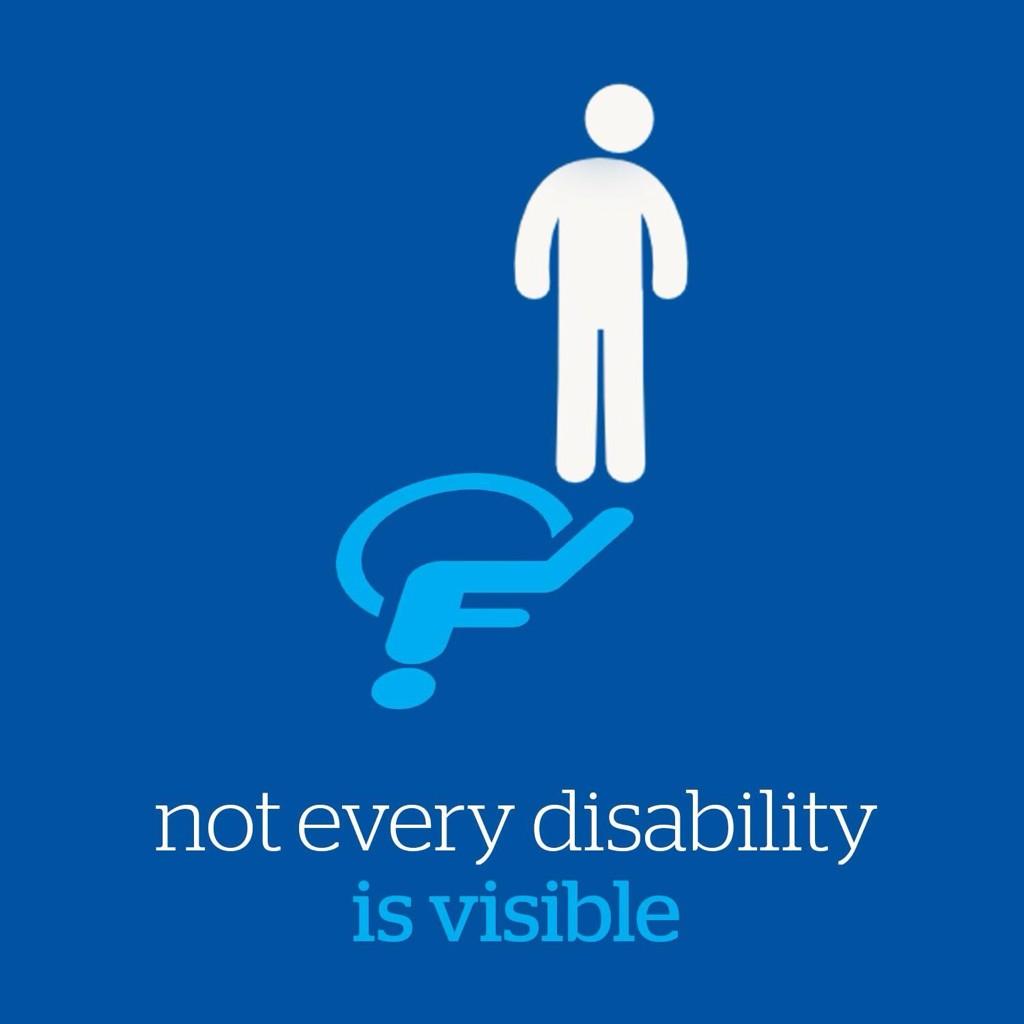
The injustice of living with chronic invisible illness

Image: Remap UK Twitter via Google Images

In July 2014 I posted a detailed blog post on 'The frustrations of a chronic illness'. This post went down surprisingly well. I wasn't expecting half as many of the views that it gained. I was overwhelmed by the amount of comments, shares, re tweets and most surprisingly even a Facebook share from the website Inspire (which my mum has been an avid reader of for many years now), that it received within a few days. It felt so good to know that what I had written had possibly struck a chord with some people and they too felt all or some of what I had spoken about.

This is a subject that doesn't really disappear, so I felt the need to write another post based on the injustices that come along during chronic illness in hope for it to add towards a continuous movement in the process for those of us who have an illness to stand together to make a change. If we go quiet about this issue, it's not going to take us any further in progress or get us noticed in changing the world's perspective on how illness can affect young people, teens and those with rare disabling health issues in more ways than imagined.

Whether it be that we are feeling judged or being verbally judged by others it's something that is difficult to just accept and be OK with because quite frankly, it's not OK. A lot of opinions and frequent comments received are based on how well you appear to look on the exterior standing or sitting there in front of someone. It's as if make up, a smile or your personality must mean all is well in your life. In some circumstances this can be a good facade, however when the comments seem to be constantly given, it can begin to grate on a person a little. This is based on first hand experience I received in previous years, it's often upsetting, unkind and unfair yet we are often put off defending ourselves because it can feel like losing battle.

Being told 'you look well and you would never know you are sick' has always felt like a back handed compliment to me. I know people mean well however it makes me feel like because my illness is rare and misunderstood, it's also maybe slightly irrelevant to others. Those commenting on your looks don't see that everyday is usually a bad day, low mood, the effort it takes to complete the smallest tasks and the amount of medication you possibly take during your day to day life. They just see the present you, who is usually vacant from all the pain you are trying to comprehend and cope with. Pain that can often force you to live a life with limitations, yet there is no obvious sign of this to others.

Hopefully, in time, I may grow a thicker skin towards these types of assumptions. Obviously this isn't necessarily an insult to some in life, some people can find positive aspects in these comments, it can sometimes give them a boost. However on the opposite end of the spectrum, I know for many of those that are chronically ill, this process really can be seen as a sign of dismissal. I have come to gradually understand that for those who struggle with people not understanding, we don't actually need to convince those who don't believe in our illnesses of 'our world'. They will most likely never understand. However it's through learning and hearing of the misconception on invisible illnesses that it can affect us as a whole community emotionally.

You often hear many horror stories of how people with 'invisible illnesses' have parked in disabled bays and had inconsiderate members of the public make an assumption based on how they look physically and therefore make a scene over how they are not disabled and not entitled to park in a bay. I personally (and fortunately) am yet to be in such a situation, I do have a friend with the same illness that has. I often wonder what these kind of people deem 'disabled'. People often appear to instantly dismiss that your illness could be as bad as you say or describe because they can't physically see it, until a wheelchair or aid is physically involved or seen. Just because on the outside you may look young enough to not be 'disabled' doesn't make you fit, healthy or able and its a shame this isn't something that is one of the first things to enter a persons heads or seen as being possible for young people in this day and age.

Things such as fatigue, weak joints and muscles, breathing and lung problems unfortunately are not physically obvious but valid reasons for being disabled. I would express how it is quite sad that there is a general assumption that young people can't actually be disabled if you base this on the assumption of looks. Maybe if they spent 5 minutes with the person they have judged they would see that actually their invisible illness limits their abilities in a short period of time in daily life.

With rare illnesses, there comes the battle of finding the correct doctor with enough knowledge for you to reside under their care. During appointments, you ask for the help of tools for you to gain a better quantity of life. In my opinion these include, medications to help ease or slightly suppress your pain in order to function better, specialised physios and local support and knowledge from a GP. There never seems to be enough specialised care available to those who suffer with debilitating illness. People travel up and down the country to attend a 20 minute appointment a few times a year with a specialist consultant. You often wonder how you will ever have the correct care plan or tools to gain a better life with such limited options available. It can be infuriating to go into an appointment and feel like you haven't progressed or achieved what you aimed. When you tell doctors what your life has become (bed bound for the majority), you are referred to things like the mental health team or anti depressants instead of support of a specified care plan.

Then there's the injustice of the social aspect of your life once you become ill. You miss out on things that are common in everyday life. Your ability to socialise is usually interrupted by being unable to manage your pain and fatigue, you lose friends and you often feel like you lose sight and a part of yourself and a common reality. The ability of feeling like you have a place in the world other than just being chronically ill or disabled can often plague your mind. Your independence becomes slim to none, you have to give a lot of things up but still have the mentality to achieve. Like I have said on twitter, I truly take my hat of to those of you out there who still manage to attend school, college, university and work. I seriously think you are all amazing and inspiring!

Your health problems will never just disappear from your life, in fact when something feels so obvious to yourself yet invisible to others it can often make you rather down and depressed. Pain is a constant thing you are dealing with every minute of the day, in fact in some cases our illness is actually the most consistent thing in our life. It is certainly mine. So the fact that this isn't obvious to the eye can make it harder to cope when you appear to be 'normal'.

  Pain intervenes with 99% of the want,will but most importantly the ability to do things. However the scariest factor is often that this is a daily process that we must go through and overcome.